Coached 4 Interns to Pitch a Validated Outreach Strategy
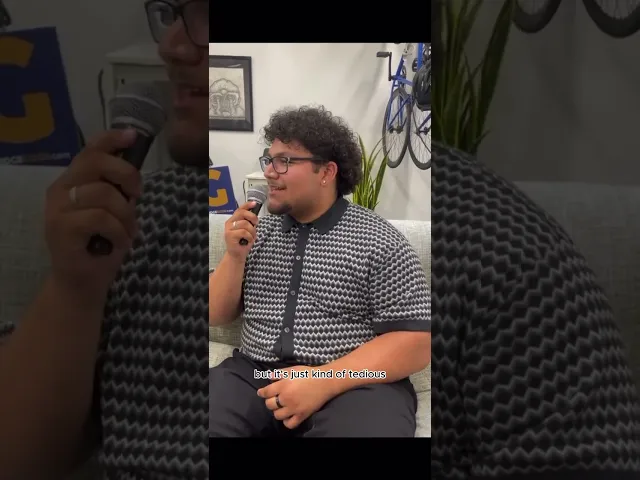
As an instructor at BRIDGEGOOD, I led the nonprofit's design internship program, developing the curriculum and guiding the next generation of designers through collaborative, hands-on learning. The experience strengthened my leadership skills while helping interns grow their confidence, creativity, and design thinking.
Workshop Facilitation, Generated Curriculum, Team Building, Team Training
Responsibilities
Internship Coordinator
My Role
1 Internship Coordinator 4 Interns
Team Size
5 weeks
Duration
Problem
BRIDGEGOOD wanted to understand how to attract high school students and what outreach forms they engage best with
Solution
I taught them how to pitch ideas of how BRIDGEGOOD can engage with high school students through a summer internship

My Role
I designed and led a four-week, project-based curriculum that guided interns through the full design process using workshops, research methods, and collaborative exercises, culminating in validated solutions and confident final presentations.
Number of interns: 4
Process Work
Stakeholder Analysis

I needed my interns to understand what thoughtful design is, so to start off I had them conduct stakeholder interviews with our team at BRIDGEGOOD.
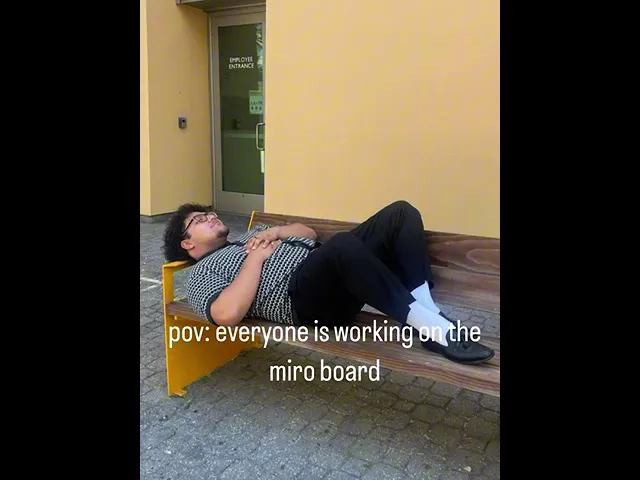
We then brought our notes to the drawing board (miro board) and I lead them through a stakeholder analysis for them to understand this portion of the project goals.
Increase interest in design
Diversify audience
Impact of design
Extend design experience and knowledge
Competitve Analysis & Presentation Prep
A part of why we design is to make something original, which is why I lead my interns through SWOT exercises. At each whiteboard there wat a different competitor and I had them rotate to take turns adding input to the 4 quadrants.
During each of these phases I incorporated various design and solution oriented exercises such as SWOT competitor analysis maps, stakeholder maps, empathy mapping, dot voting and anonymous voting. Below are the 4 phases of the course I created:
Week 1: Introductions, research, identify the problem
Week 2: Identified target, conducted stakeholder survey, constructed user survey
Week 3: Collected data, map out data, improved solutions
Week 4: Created presentation, presented, improved solutions, shared struggles and successes
Their team used information from the stakeholder needs, competitor analysis and research of peers their age to brainstorm ideas of how to communicate and connect better with high school students.


Throughout the process and hard work of my students they landed on 3 specific areas they wanted to target to accomplish their value proposition of:
"HMW create design opportunities for high school students so that they can gain exposure to the field of design?"
These three targeted areas included a
Design Crash Course
Class Visits
Social Media
Final Presentations & Online Content





My Reflections

My Impact
Knowing my super skills of public speaking and critique helped me improve the skills of others. As the final week approached I held a public speaking workshop exercises with my students to share my strategies and provide feedback With these tools I was able to have them get in front of their audience with much less fear and improved their public speaking techniques. Comparing the first and final iterations solidified my success and an instructor and recognized how their practice in between sessions greatly payed off.
What I learned
Expand how users can interact in video conferences
Further develop profile connections
Evolve mentor site portion

